
Sri Lanka's largest museum, housed in a white colonial-era building from 1877, holding the royal regalia of the last Kandyan kings alongside ancient stone carvings, ola-leaf manuscripts, and colonial-era furniture. It's dense and under-curated in places but the only spot in Colombo covering the island's full history in one visit. It ranks among Colombo's most visited sights, and for good reason - most itineraries include it on day one.
What It Is
You move through high-ceilinged colonial rooms past glass cases of carved ivory, gem-studded regalia, and dim-lit manuscript rooms, with ceiling fans turning overhead instead of air conditioning in most sections.
Why Visit
It holds the actual crown and throne of the last Kandyan king, Sri Vikrama Rajasinha, a genuine artifact rather than a replica. That puts it near the top of any Colombo visit, and it deserves the spot. Combine it with Viharamahadevi Park and Gangaramaya Temple - they are close enough to walk between and together make the strongest half-day in Colombo. Mornings are quieter if you want to take your time.
More on Colombo
The nearest area to base yourself is Cinnamon Gardens. It is one entry in our list of things to do in Colombo. The Colombo guide covers transport, costs and when to go.
We plan trips to Colombo and the rest of Sri Lanka. Tell us your dates and we will put a route together. Our routes are on the tours page.
Nearby Places
 Free6 min walk
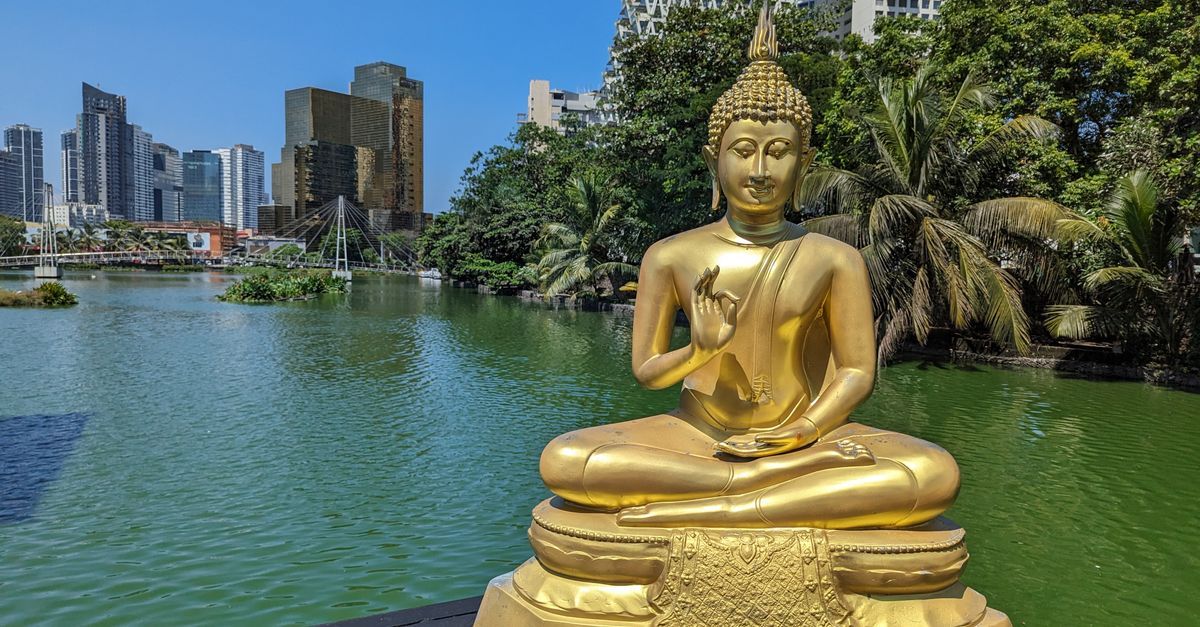
Viharamahadevi Park
It's the city's main green space and the easiest place to see Colombo families at leisure rather than in transit, with the added bonus of being free.
 12 min walk
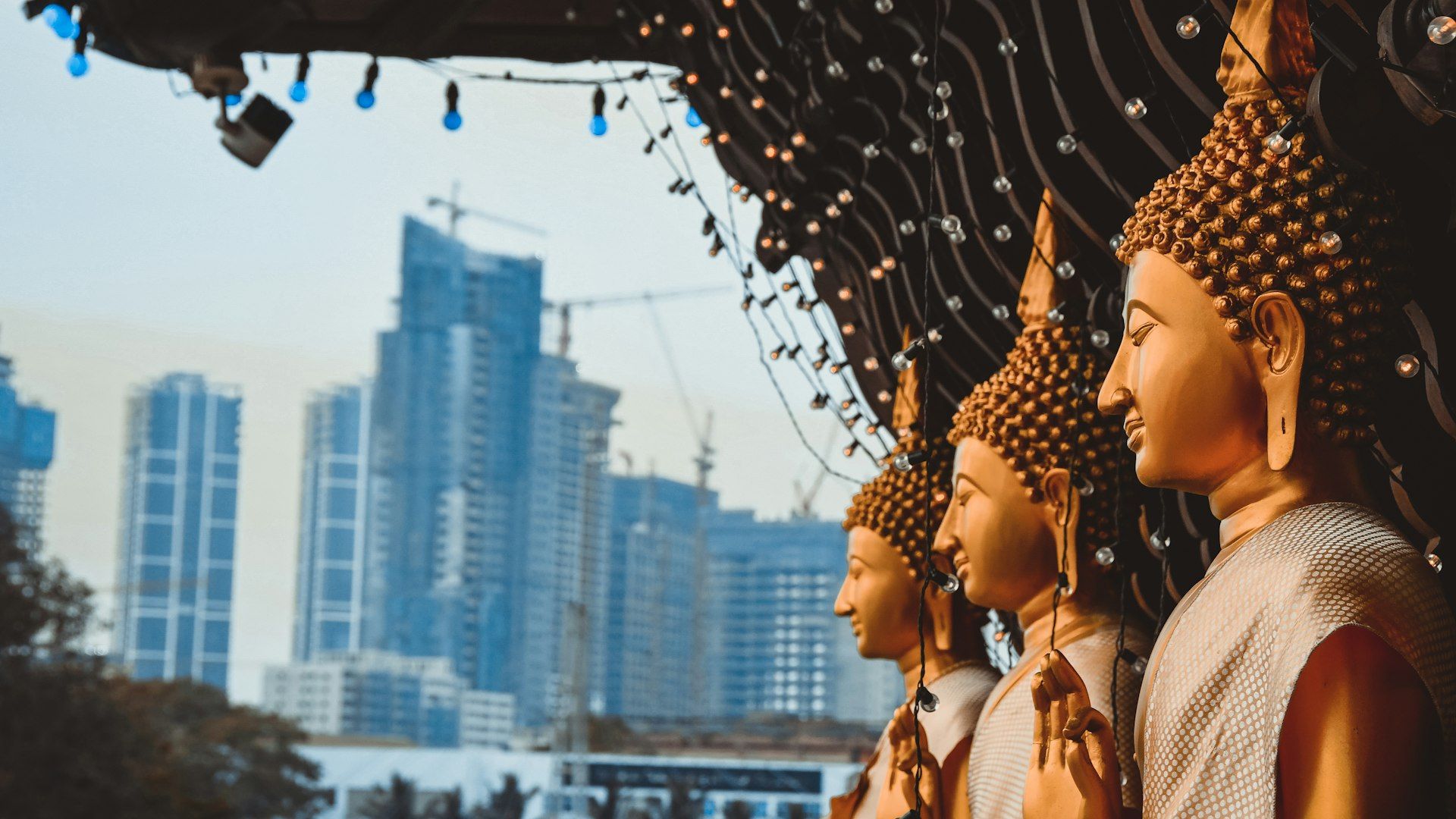
Gangaramaya Temple
It's one of the few places in Colombo where religious practice, odd museum clutter, and genuinely good architecture (the Bawa-designed Seema Malaka) sit side by side.
 Free15 min walk
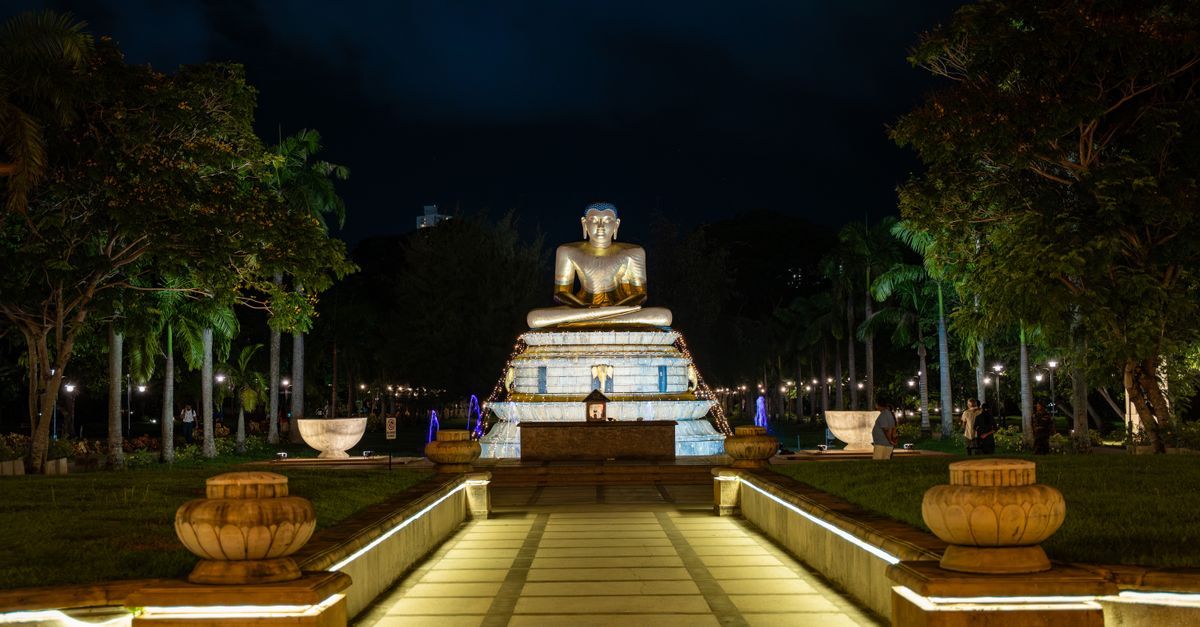
Seema Malaka Temple
It's the clearest example in Colombo of Geoffrey Bawa's tropical modernist style, and it sits directly on the walking route between Fort and Galle Face Green.
 Free16 min walk
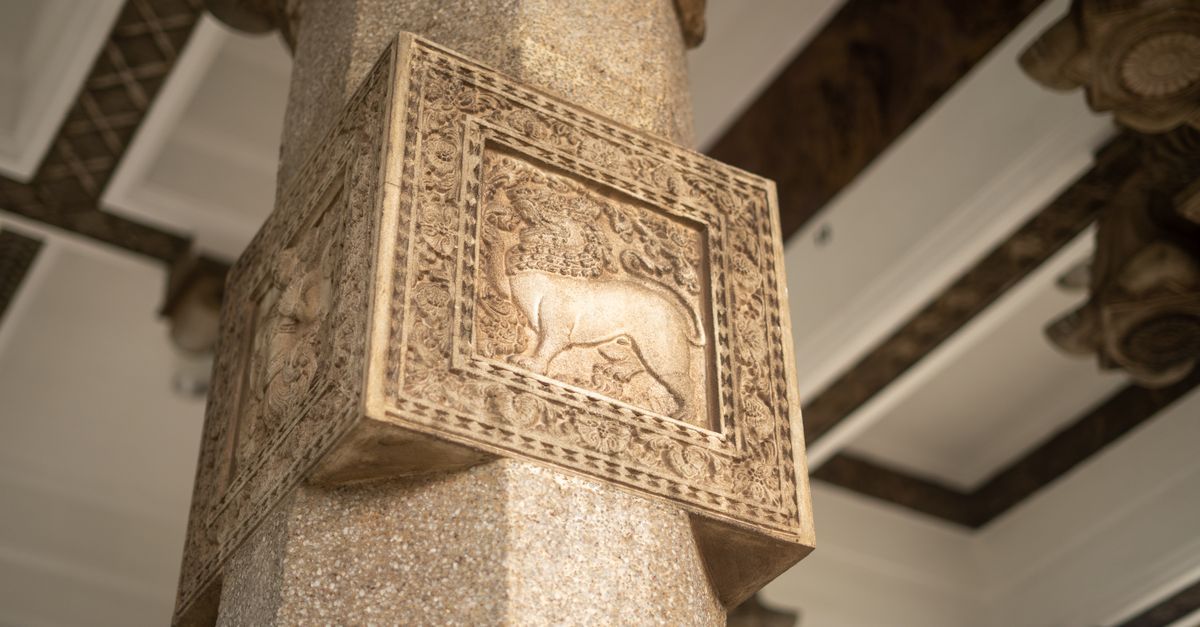
Independence Memorial Hall
It marks the formal end of British colonial rule in a single, uncrowded site, and the Kandyan-style architecture is a visual break from the Dutch and British buildings dominating Fort.