
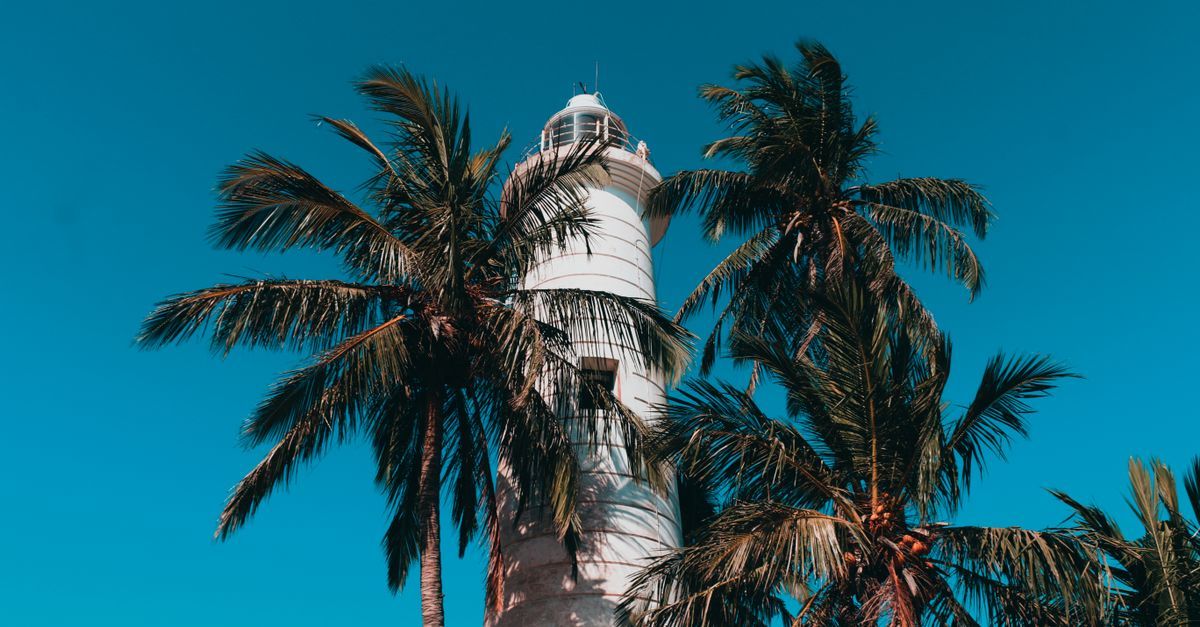
Built in 1938, this 26-meter white lighthouse marks the southeastern point of Galle Fort and remains operational. The lighthouse sits on Flag Rock, a popular spot for watching sunsets and ocean views. It replaced an earlier beacon destroyed in a fire and serves as a navigation aid for ships entering Galle Harbor. It ranks among Galle's most visited sights, and for good reason - most itineraries include it on day one.
What It Is
You'll walk to the fort's edge where the white lighthouse tower stands against blue ocean backdrop. Waves crash against the rocky coastline below while the lighthouse beam sweeps across the harbour entrance each evening.
Why Visit
Capture the classic image of Galle Fort with this working lighthouse framing ocean sunsets. That puts it near the top of any Galle visit, and it deserves the spot. Combine it with Flag Rock and Dutch Hospital Shopping Precinct - they are close enough to walk between and together make the strongest half-day in Galle. Afternoon tends to work best here.
More on Galle
It is in the Galle Fort part of Galle. See where it ranks among the things to do in Galle. The Galle guide covers transport, costs and when to go.
We plan trips to Galle and the rest of Sri Lanka. Tell us your dates and we will put a route together. Our routes are on the tours page.
Nearby Places
 Free3 min walk
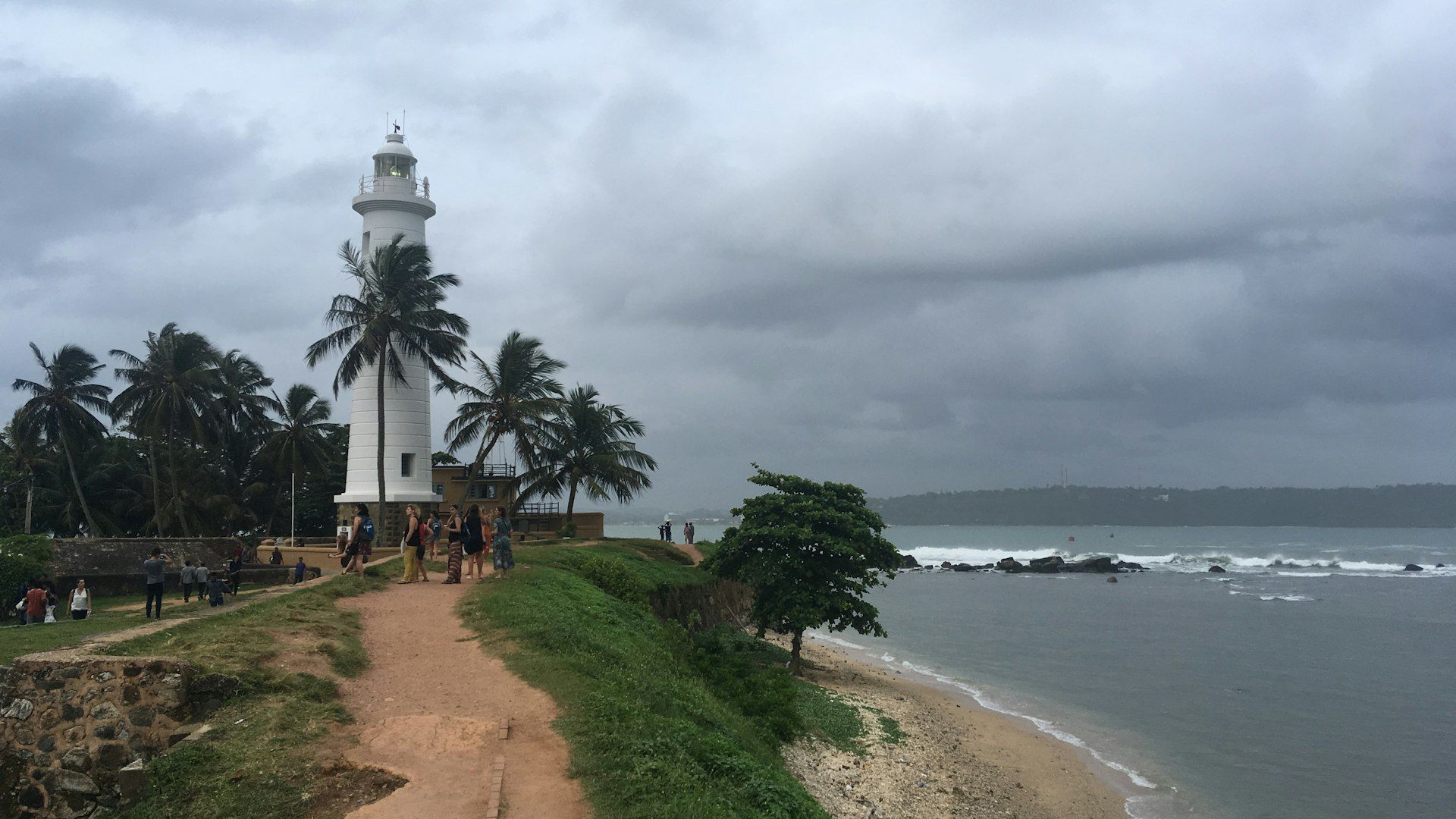
Flag Rock
One of the best free sunset spots in Galle Fort, with unobstructed ocean views and a lively, informal local atmosphere.
 Free4 min walk
Dutch Hospital Shopping Precinct
The best place in Galle to buy authentic Sri Lankan crafts and contemporary design items in a historic setting.
 6 min walk
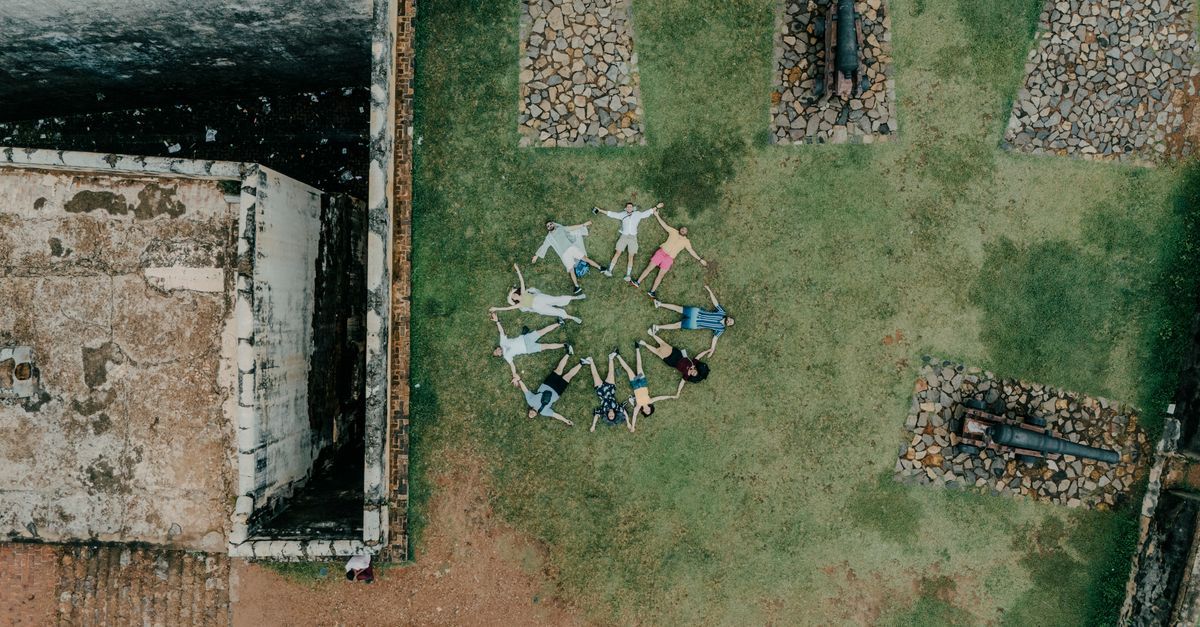
National Maritime Museum
Discover treasures from shipwrecks that tell the story of Galle's role as a major Indian Ocean trading port
 7 min walk
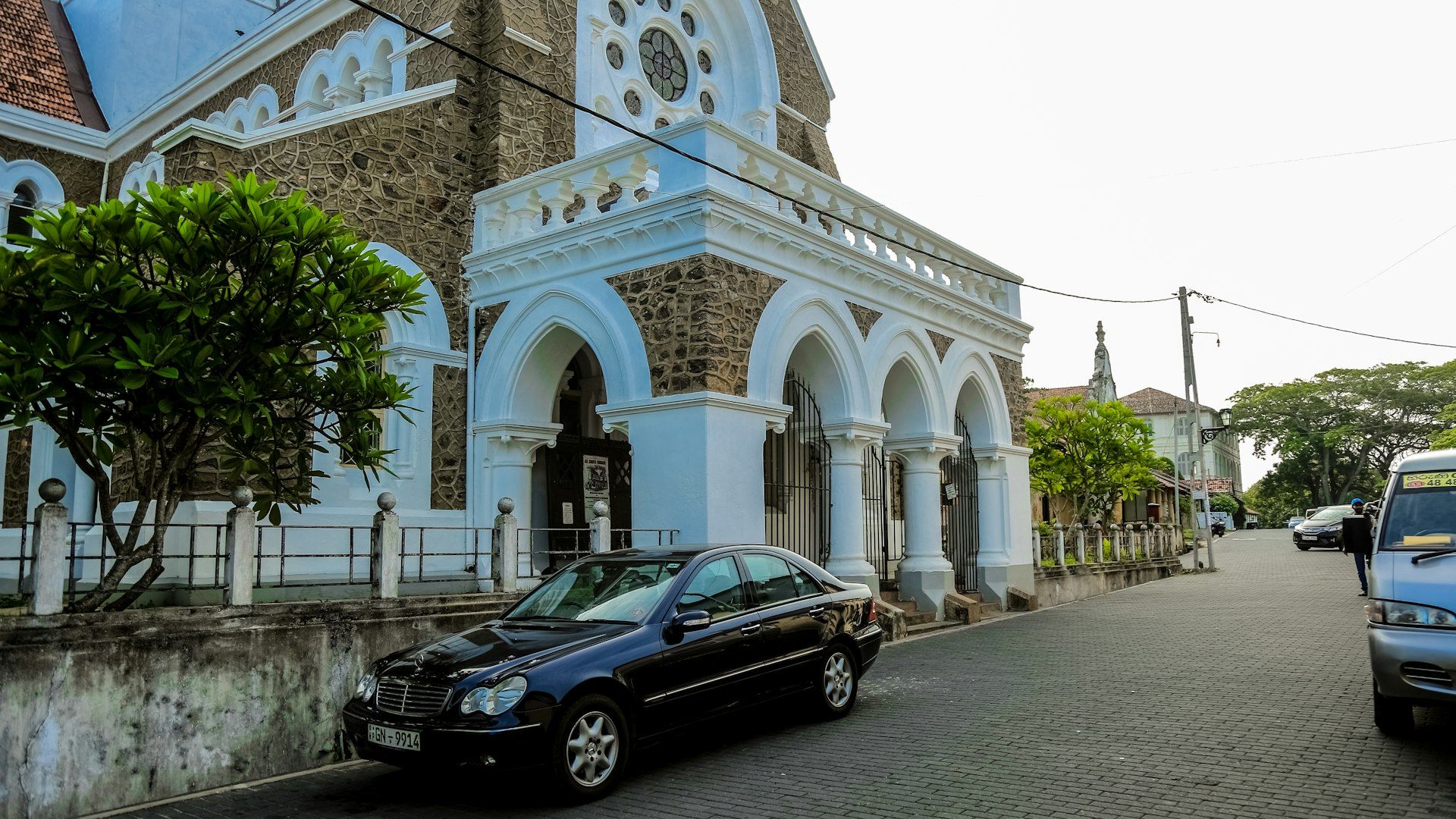
Dutch Reformed Church
Step inside Sri Lanka's oldest Protestant church where Dutch colonial history lives through original gravestones and period furnishings
 Free11 min walk
Galle Fort and Ramparts
Walk through living history where Portuguese, Dutch and British colonial layers create Sri Lanka's best-preserved fortified city