Kandy Travel Guide - practical advice with names and honest picks.
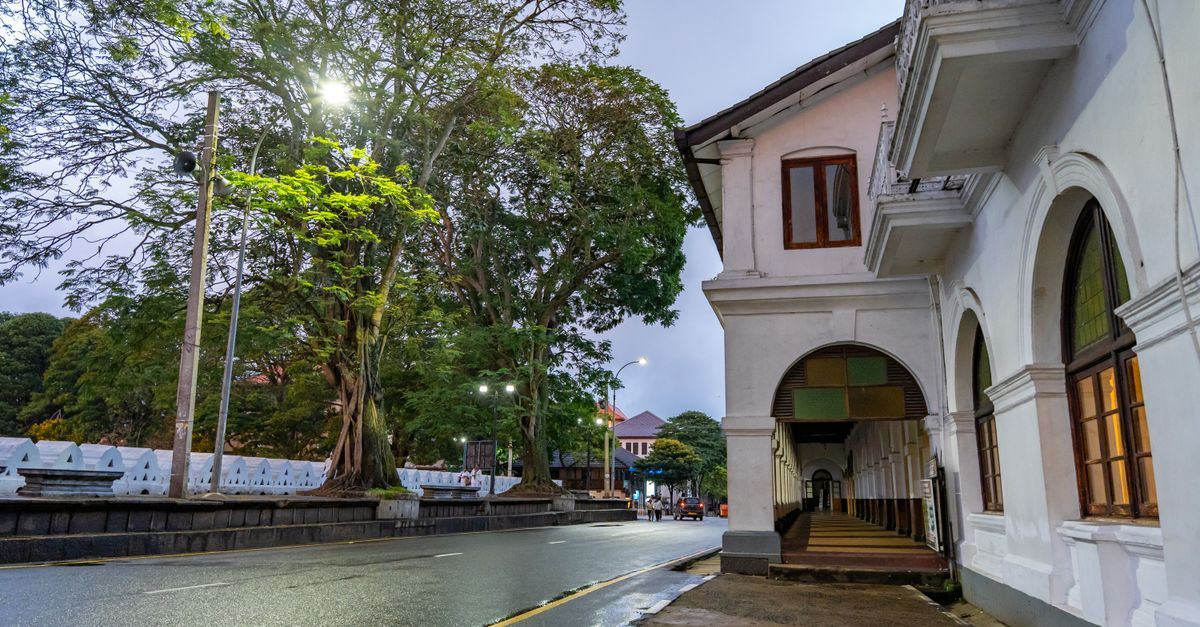
Kandy anchors Sri Lanka's cultural heart in the misty hill country, where sacred Buddhist relics meet tropical botanical gardens and traditional dance performances echo through colonial-era streets. The last capital of the ancient kings of Sri Lanka, this UNESCO World Heritage city centers around the Temple of the Sacred Tooth Relic and the peaceful Kandy Lake. The scenic train journey from Colombo through tea plantations makes arrival part of the experience, while the cooler mountain climate provides welcome relief from coastal humidity.
Many guides oversell Kandy as a multi-day destination when most visitors see the main attractions in 1-2 days. The city also gets extremely crowded during Esala Perahera festival in July/August, making accommodation scarce and expensive. Temple dress codes are strictly enforced - shorts, sleeveless tops and hats are not permitted inside the Temple of the Sacred Tooth. For specific picks, see best things to do in Kandy.
Why visit
Kandy offers direct access to living Buddhist culture and Ceylon tea heritage that defines Sri Lanka's identity. The scenic hill country setting provides cooler temperatures and mountain views that contrast sharply with the coastal regions, while the compact city centre makes it easy to experience temples, gardens and cultural performances within walking distance.
When to visit
The best time to visit Kandy is December to April. Avoid: The wettest months are May and October to December, with 17 to 27 wet days a month (Open-Meteo averages, 2015 to 2024).
Getting there
Notable connections:
- Peradeniya Royal Botanic Gardens (6km, 20 minutes by tuk-tuk)
- Pinnawala Elephant Orphanage (40 km by road, about 48 minutes)
- Ambuluwawa Tower (26 km by road, about 40 minutes)
Getting around
- Three-wheelers (tuk-tuks) for short distances
- Local buses around the city
- Walking is practical within the city centre, most attractions within 2km
- Taxi apps like PickMe
- Bicycle rentals from guesthouses
Day-to-day:
- Tipping: Tipping is not mandatory but appreciated. Round up restaurant bills or add 10% for good service.
- Dress code: Modest clothing required for temples - long pants and covered shoulders. Remove shoes before entering shrine rooms.
- Water: Bottled water recommended for drinking. Tap water is treated but may cause stomach upset for visitors.
- SIM cards: Dialog and Mobitel offer tourist SIM cards at the airport and shops.
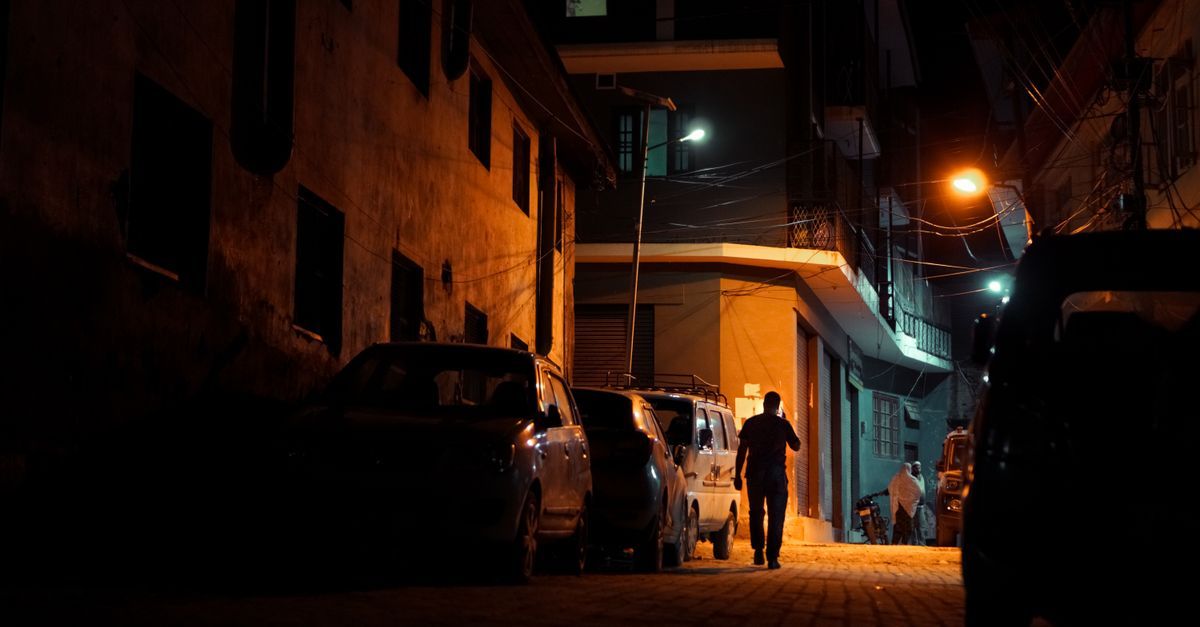
- Safety: Kandy is generally safe for tourists with low crime rates. Be cautious with valuable items and avoid walking alone after dark in residential areas.
- Plugs: Type D, G and M plugs, 230V
- Emergency: 119 for ambulance, 118 for fire, 119 for police
Where to stay
Avoid accommodations more than 3km from the centre unless you have your own transport, as uphill locations can be challenging to reach on foot.
Areas to consider:
Budget
Budget figures depend on travel style and season - book accommodation 4-6 weeks ahead for the best rates in Kandy.
Common mistakes to avoid
- Wearing inappropriate clothing to temples - shoulders and legs must be covered
- Not removing shoes before entering temple buildings, including the main shrine room
- Taking photos inside the Temple of the Sacred Tooth without permission
- Booking accommodation too far from the city centre without checking transport options
More on Kandy
The Kandy overview has costs, areas and transport in one place.
We plan trips to Kandy and the rest of Sri Lanka. Tell us your dates and we will put a route together. Our routes are on the tours page.
Highlights
Not to miss in Kandy
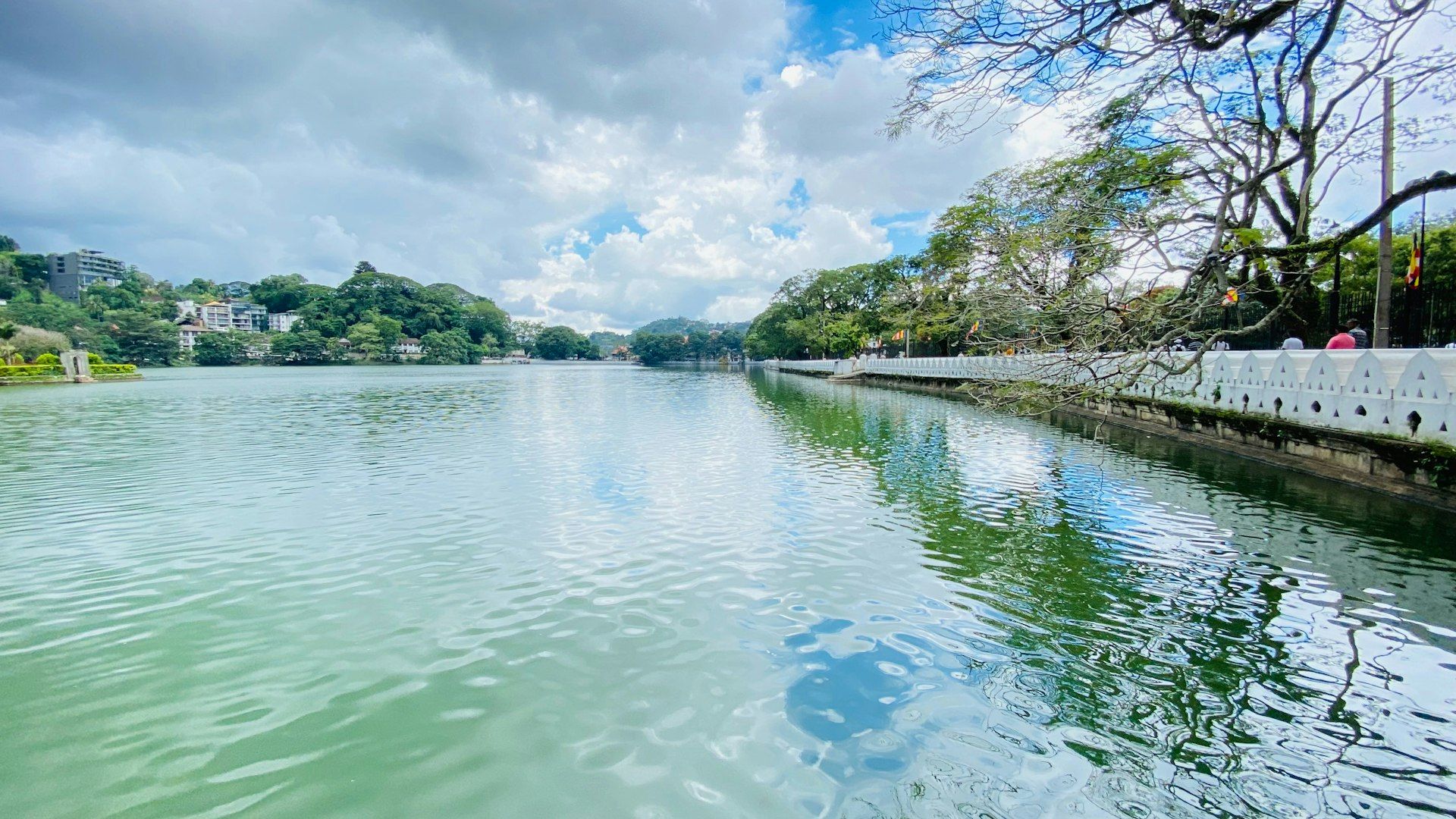
Kandy Lake
Kandy Lake provides a peaceful walking circuit around the city centre with temple views.
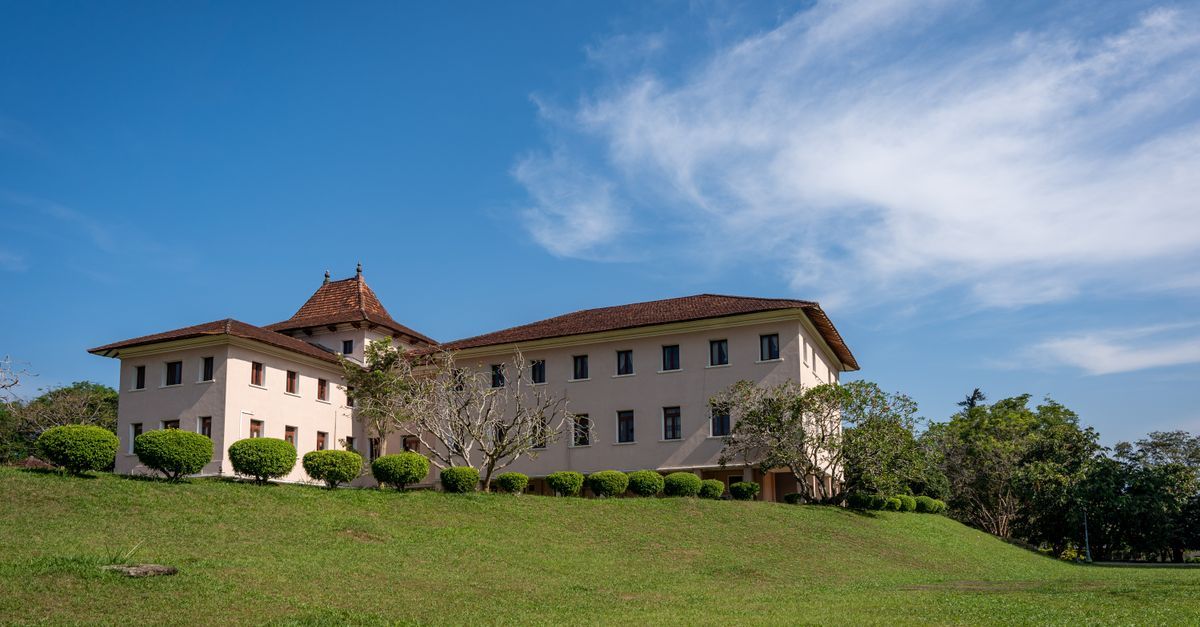
National Museum of Kandy
The National Museum displays royal regalia and artifacts from the Kandyan Kingdom period.
Local tea factories around the city offer tastings of Ceylon tea varieties grown in the surrounding hills.
Where to Stay
Areas to consider in Kandy