
Sri Lanka
Polonnaruwa
Polonnaruwa was Sri Lanka's capital from the 11th to 13th centuries, built after Anuradhapura fell to Chola invaders
Polonnaruwa was Sri Lanka's capital from the 11th to 13th centuries, built after Anuradhapura fell to Chola invaders. Most travellers treat it as a one-day stop between Sigiriya and the cultural triangle, but the site rewards two full days. Gal Vihara's rock-cut Buddhas and the circular Vatadage rank among the finest examples of Sinhalese stone carving on the island.
Planning your trip? See our Polonnaruwa travel guide, best things to do in Polonnaruwa, one-day Polonnaruwa itinerary, weekend Polonnaruwa itinerary.
Where to Start
Enter through the Archaeological Museum, a 10-minute walk from the quadrangle, where models and carvings explain what you're about to see. Most visitors base themselves in Polonnaruwa New Town or Habarana and arrive at the site by 7am, before the heat sets in. Hire a bicycle at the entrance gate rather than a tuk-tuk if you want to stop freely between ruins.
When to Visit in Polonnaruwa
The best time to visit Polonnaruwa is February to September. After the northeast monsoon has passed and mornings stay dry for cycling between ruins. July to September overlaps with Minneriya's elephant gathering, 25km away, making a useful pairing.
Avoid: The wettest months are October to December, with 22 to 25 wet days a month (Open-Meteo averages, 2015 to 2024).
Why You'll Love Polonnaruwa
Discover the most memorable experiences this destination has to offer
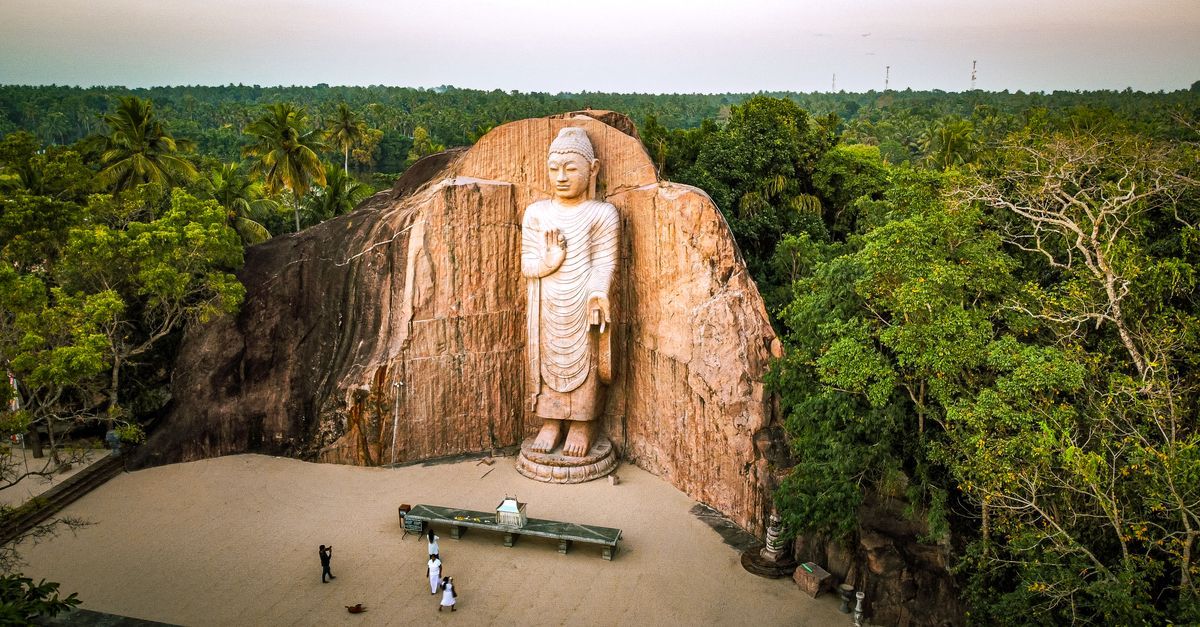
Gal Vihara
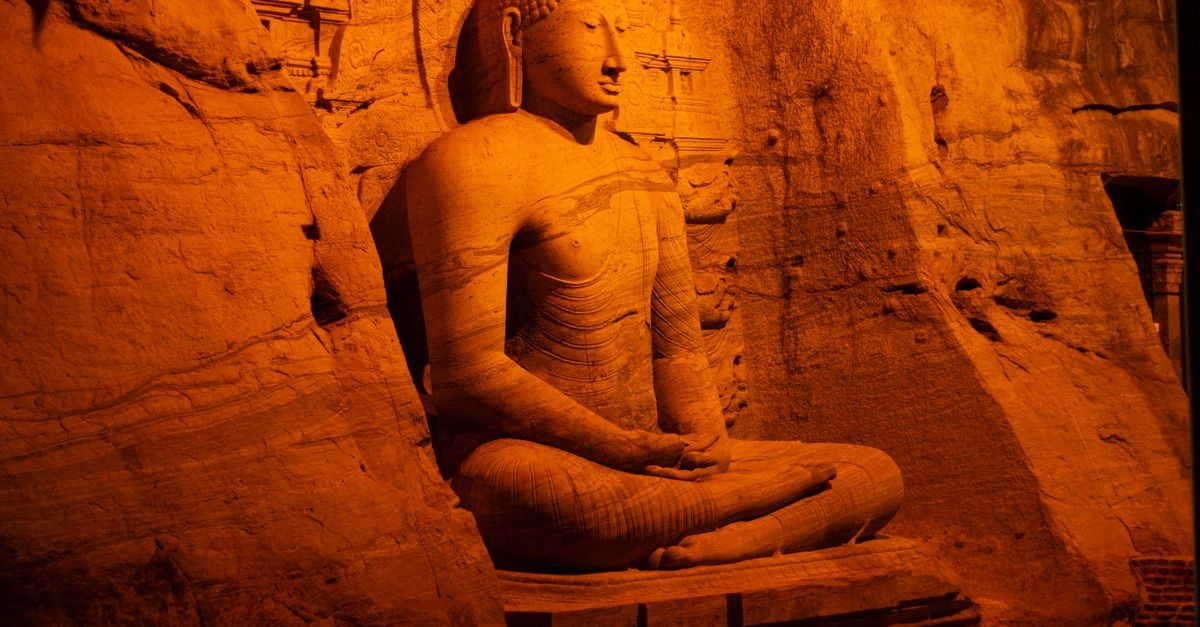
Gal Vihara's four Buddha statues, carved from one granite face in the 12th century, include a 14m reclining Buddha.
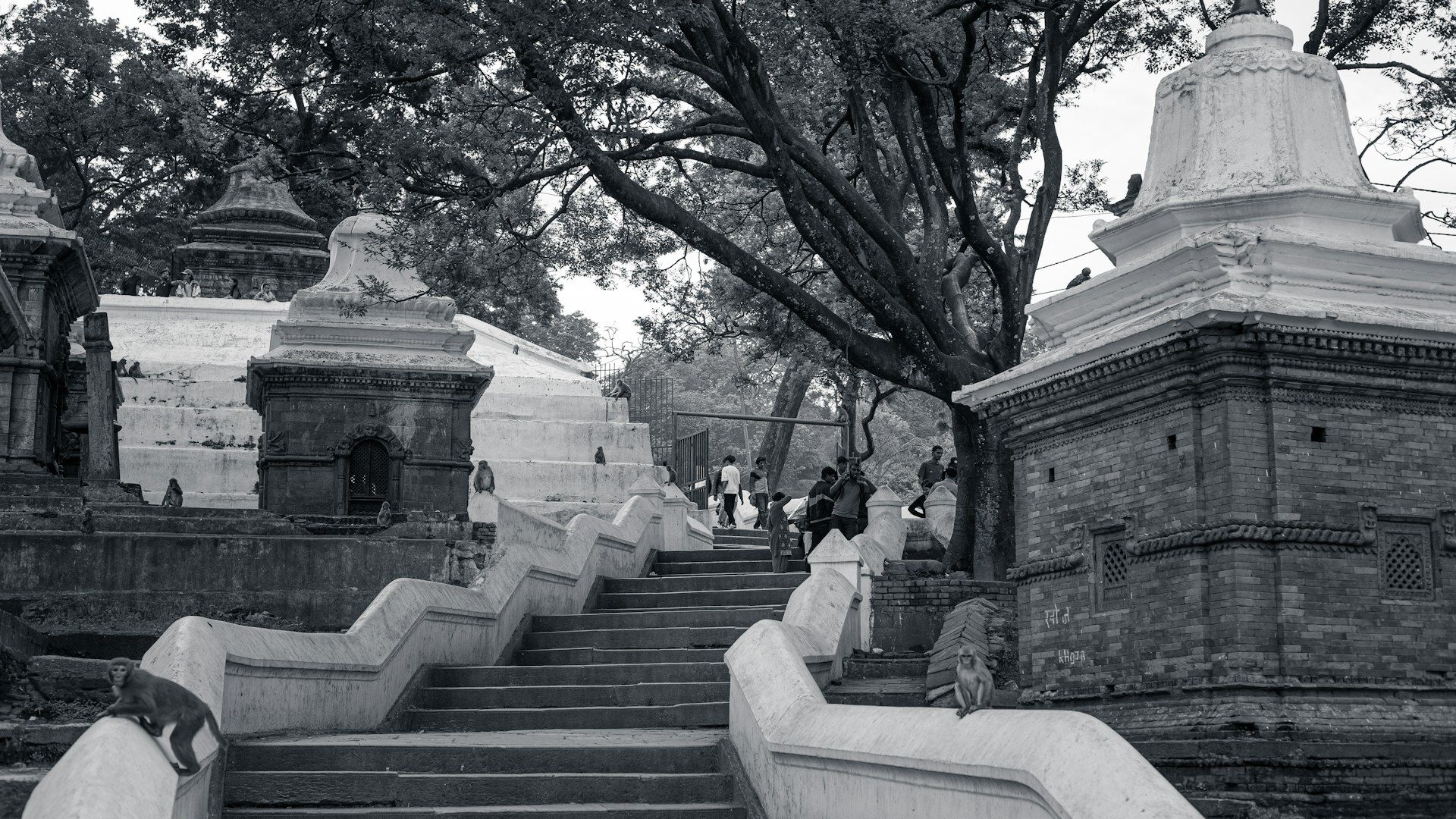
Rankoth Vehera
Rankoth Vehera stands 54m tall, the largest stupa built after the Anuradhapura period.

Royal Palace of Parakramabahu
The Royal Palace ruins show King Parakramabahu I's seven-storey structure, reduced now to brick walls over 3m thick.

Parakrama Samudra
Parakrama Samudra reservoir covers 2,400 hectares and still irrigates rice paddies built in the 12th century.

Polonnaruwa Archaeological Museum
The Archaeological Museum near the quadrangle displays carvings and models that explain the ruins before you see them.
Where to Stay
2 neighbourhoods to choose from
 budget
Kaduruwela
Kaduruwela runs on local commerce rather than tourism: market stalls, hardware shops and bus touts rather than souvenir sellers. It's noisier and more functional than New Town, with little built for visitors beyond a handful of guesthouses.
 budget to mid-range
Polonnaruwa New Town
New Town is low-rise and functional rather than scenic: a strip of guesthouses, tuk-tuk stands and small restaurants serving rice and curry. Evenings are quiet, with most visitors turning in early for 6am starts at the ruins. The lake shore at sunset is the one spot with a view worth lingering over.
Getting Around
How to get around Polonnaruwa
Getting here
- Sigiriya Airport58 km by roadAbout 1 h
- Bandaranaike International Airport194 km by roadAbout 3 h 30 min
Around Polonnaruwa
- Bicycle hire
- Tuk-tuk with driver for a half-day ruins tour
- Hired car with driver from Habarana or Sigiriya
- Local bus from Kaduruwela to New Town
Food and Drink in Polonnaruwa
- Rice and curry - A set lunch of rice with 4-6 vegetable and meat curries, served on a single plate Find it at: Priyamali Gedara, Polonnaruwa New Town.
- Kottu roti - Chopped flatbread stir-fried with egg, vegetables and your choice of meat Find it at: Roadside stalls along the New Town main road.
- Egg hoppers - Bowl-shaped rice-flour pancakes with a fried egg set in the centre, eaten at breakfast Find it at: Guesthouses and small cafes in New Town.
- Wood-apple juice - A sour-sweet local fruit juice, usually served iced with sugar Find it at: Juice stalls near the Polonnaruwa bus stand.
- King coconut water - Thambili, an orange-husked coconut drunk straight from the shell Find it at: Roadside vendors throughout Polonnaruwa and Habarana.
- Hotel buffet dinner - Mixed Sri Lankan and international dishes aimed at visiting groups Find it at: Polonnaruwa.
Common Mistakes to Avoid in Polonnaruwa
- Visiting the ruins at midday without water or shade; start by 7am and break from 11am-2pm.
- Wearing shorts or sleeveless tops at Vatadage and Gal Vihara; shoulders and knees must be covered and shoes removed.
- Renting the cheapest bicycle without checking brakes and tyres before setting off across uneven ground.
- Skipping the Archaeological Museum, then struggling to tell one ruin from another.
- Carrying food near Gal Vihara; macaque monkeys will grab bags left unattended.
Annual Events
Festivals and seasons worth planning around
The Gathering (Minneriya elephant congregation)
Hundreds of wild elephants converge on Minneriya reservoir, 25km from Polonnaruwa
Sinhala and Tamil New Year
National holiday; many shops and some restaurants close for several days
Vesak Poya
Buddhist festival marking the Buddha's birth, enlightenment and death; temples are lit with lanterns
Day Trips in Polonnaruwa
- Sigiriya Rock Fortress (65km, approximately 1.5 hours by road) - A 5th-century rock fortress with frescoes and water gardens, Sri Lanka's most visited single site. Best for: history buffs and photographers
- Minneriya National Park (25km, approximately 40 minutes) - Jeep safaris see elephant herds gather at the reservoir edge, best July-September. Best for: wildlife-focused travellers
- Dambulla Cave Temple (65km, approximately 1.5 hours) - Five cave shrines with over 150 Buddha statues and painted ceilings dating to the 1st century BCE. Best for: history buffs
- Anuradhapura (105km, approximately 2 hours) - Sri Lanka's first ancient capital, with larger stupas and a sacred Bodhi tree over 2,000 years old. Best for: travellers wanting the full cultural triangle
Itineraries
Plan your time in Polonnaruwa


Useful Local Phrases
| Phrase | Meaning | When to Use |
|---|---|---|
| Ayubowan | A greeting meaning 'may you live long' | Said on arrival at hotels and temples, often with palms together |
| Bohoma Istuti | Thank you very much | Useful after a tuk-tuk ride or meal |
| Kohomada | How are you | Casual greeting with guides or guesthouse staff |
Understanding the Layout
The ancient city sits on the western shore of Parakrama Samudra, a 12th-century reservoir still used for irrigation. Polonnaruwa New Town lies just east of the ruins, with most guesthouses and restaurants. Kaduruwela, 4km further east, holds the railway station and local bus stand. Giritale and Habarana lie 10km and 25km west respectively, both common bases for multi-site itineraries.
What Most Guides Get Wrong
Most guides treat Polonnaruwa as a half-day stop on the way to Sigiriya, which undersells it. Guides also rarely mention the Archaeological Museum, which gives context that makes the later ruins make sense.
We plan trips to Polonnaruwa and the rest of Sri Lanka. Tell us your dates and we will put a route together. Our routes are on the tours page.
Top Attractions
9 things to see and do
Gal Vihara
This is the single image most people picture when they think of Polonnaruwa, and it holds up in person.
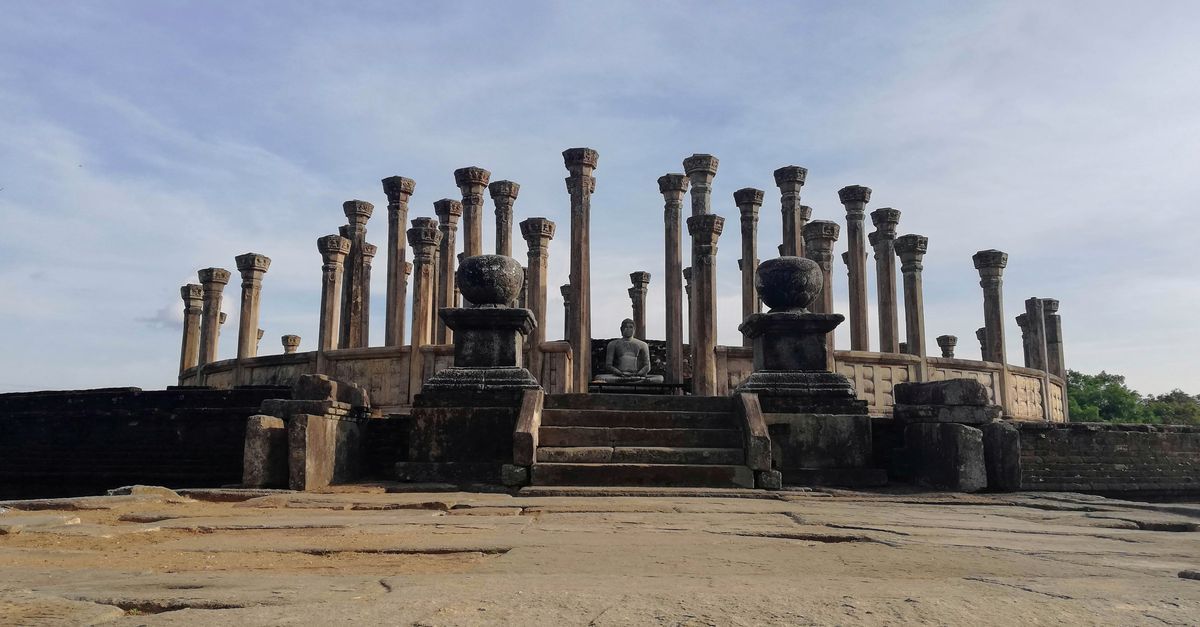
Vatadage (Quadrangle)
The Quadrangle packs more variety of 12th-century stonework into a smaller space than anywhere else on the site.
Travel Guides
6 in-depth guides for Polonnaruwa
Ancient Ruins Guide - Polonnaruwa
Ancient Ruins Guide - Polonnaruwa - practical advice with names and honest picks.

Best Food in Polonnaruwa
Best Food in Polonnaruwa - practical advice with names and honest picks.

Things to Do
6 activity guides



Comparisons
3 head-to-head guides


Tours
We don't currently run a packaged tour through Polonnaruwa — we'll build one around you

Tell us what you have in mind
We'll build a private itinerary around Polonnaruwa and the rest of your trip.
Get in touchPhoto Gallery
A visual journey through Polonnaruwa

Polonnaruwa
Dimbulagala Rock Monastery
Gal Vihara

Giritale Wewa and Nature Reserve

Lankatilaka And Tivanka Image House
Polonnaruwa
Dimbulagala Rock Monastery
Gal Vihara
Giritale Wewa and Nature Reserve
Lankatilaka And Tivanka Image House
Parakrama Samudra
Polonnaruwa Archaeological Museum
Rankoth Vehera
Royal Palace of Parakramabahu
Vatadage (Quadrangle)
Frequently Asked Questions
Common questions about visiting Polonnaruwa
Plan Your Visit to Polonnaruwa
Let our destination experts help you discover the best of Polonnaruwa with personalised recommendations and insider knowledge.