

Nearby, the Tivanka Image House is named for its unique 'thrice-bent' Buddha posture and houses the best-preserved Buddhist narrative paintings surviving from the Polonnaruwa period, making both sites essential for understanding 12th-century Sri Lankan religious art. It sits below the headline sights but earns its place on a longer visit to Polonnaruwa, especially paired with nearby Gal Vihara.
What It Is
You walk through a towering roofless brick corridor flanked by colossal walls, then step into a dim mural-covered chamber where faded reds and ochres depict Jataka tales on curved walls around the bent Buddha statue.
Why Visit
These two structures showcase the finest surviving Buddhist mural art and monumental brick architecture from the Polonnaruwa kingdom, offering a deeper artistic experience than the more famous but simpler stupas nearby. It is not the first thing you should see in Polonnaruwa, but with two or more days it fills a gap the major sights leave. It pairs naturally with Gal Vihara and Rankoth Vehera - together they fill a solid half-day. Afternoon tends to work best here.
More on Polonnaruwa
It is in the Polonnaruwa New Town part of Polonnaruwa. It is one entry in our list of things to do in Polonnaruwa. The Polonnaruwa guide covers transport, costs and when to go.
We plan trips to Polonnaruwa and the rest of Sri Lanka. Tell us your dates and we will put a route together. Our routes are on the tours page.
Nearby Places
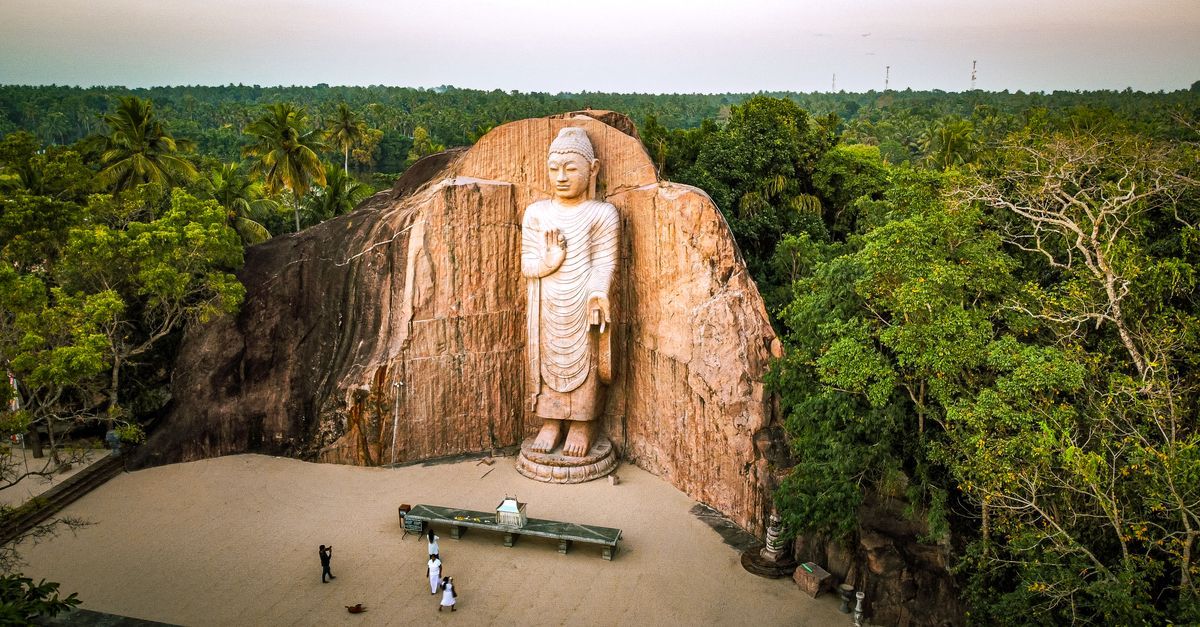 6 min walk
Gal Vihara
This is the single image most people picture when they think of Polonnaruwa, and it holds up in person.
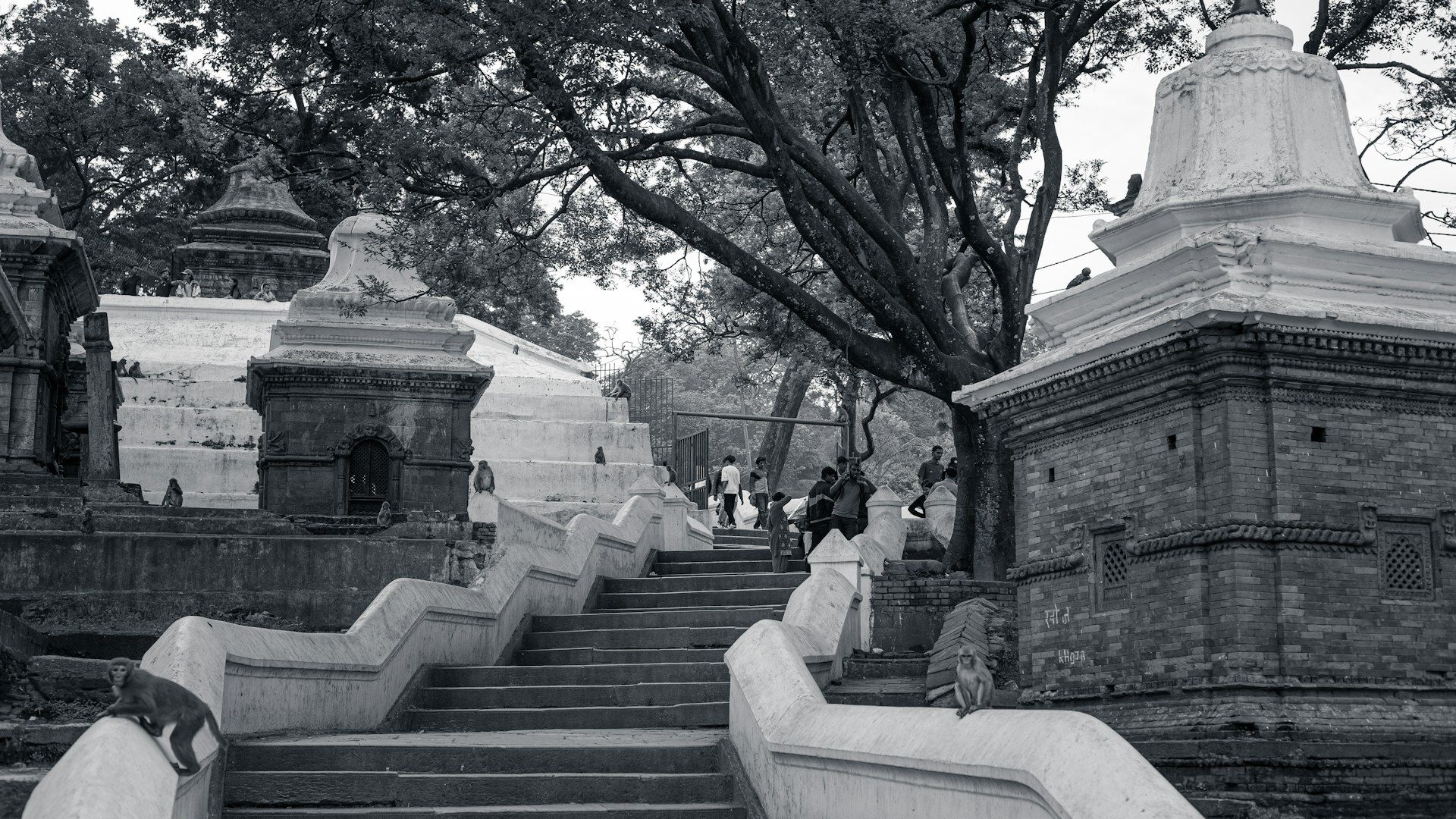 8 min walk
Rankoth Vehera
It's the largest structure on the site and gives a sense of the scale of Parakramabahu's and Nissanka Malla's building ambitions.
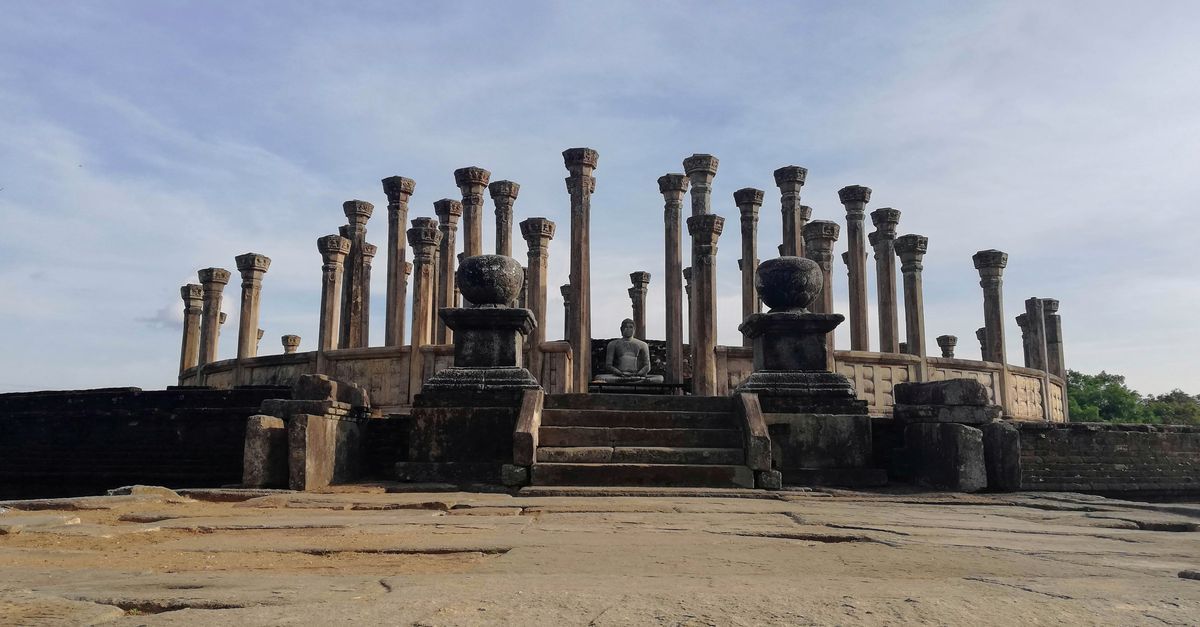 26 min walk
Vatadage (Quadrangle)
The Quadrangle packs more variety of 12th-century stonework into a smaller space than anywhere else on the site.
 Short ride
Royal Palace of Parakramabahu
It's the clearest physical evidence of Polonnaruwa's role as a royal capital rather than just a religious centre.